Semantic SEO and Entity Optimisation
Semantic SEO That Makes Google Understand Your Brand
Semantic SEO goes beyond keyword placement to optimise how Google understands your content, your brand, and your expertise. I implement comprehensive structured data, build your entity presence in Google's Knowledge Graph, and develop topical authority through entity-first content strategy.

Does this sound familiar?
These are the semantic SEO gaps that keep Australian businesses from reaching their ranking potential.
You rank but never appear in rich results
Competitors show star ratings, FAQ dropdowns, and structured snippets in search results. Your site doesn't. That's a structured data gap - and it costs you clicks even when you rank.
Google doesn't show a Knowledge Panel for your brand
When someone searches your business name, a Knowledge Panel establishes trust and authority instantly. Without entity recognition, that panel doesn't appear.
AI search features ignore your content
Google AI Overviews and voice search pull answers from sources with strong entity signals and structured data. Without semantic SEO, your content gets skipped.
Content doesn't hold rankings after algorithm updates
Google's updates increasingly reward topical authority and entity coverage. Sites with comprehensive semantic signals are more resilient; keyword-only optimisation is becoming less reliable.
Here's how I build your entity authority
Five interconnected areas that determine how Google understands your brand.
Entity Research and Mapping
Audit your current entity presence in Google's Knowledge Graph, identify relevant industry entities to associate with, and map competitor entity strategies.
Structured Data Implementation
Comprehensive JSON-LD schema markup covering Organisation, Person, Product, Service, FAQ, HowTo, Review, Article, BreadcrumbList. All validated in Google's Rich Results Test.
Content Entity Optimisation
Content restructured around core entities, not just keywords. Topic clusters developed for comprehensive coverage, pillar pages anchor authority, entity mentions integrated throughout.
Knowledge Panel Strategy
Building toward Knowledge Panel eligibility through consistent entity information: GBP as entity foundation, social profile consistency, citation building, and Wikidata entries.
E-E-A-T Signal Enhancement
Experience, Expertise, Authoritativeness, and Trustworthiness signals built into site architecture: author schema, credentials visible to crawlers, external citations of expertise.
Rich Result Monitoring
Search Console structured data reports, third-party rich result tracking, and regular validation checks ensure schema markup remains error-free and rich results appear correctly.
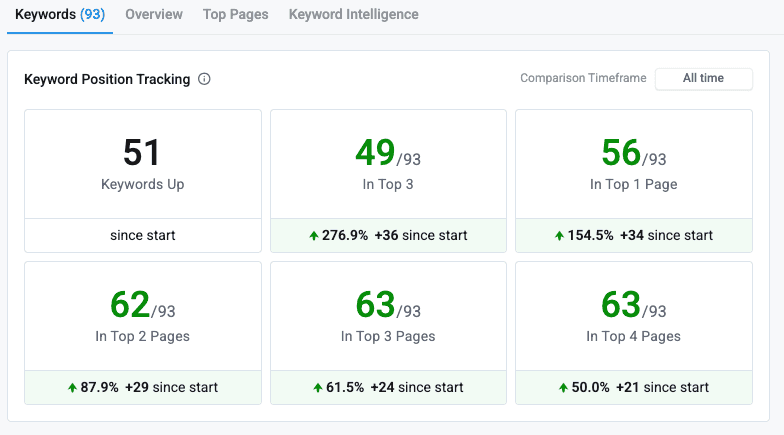
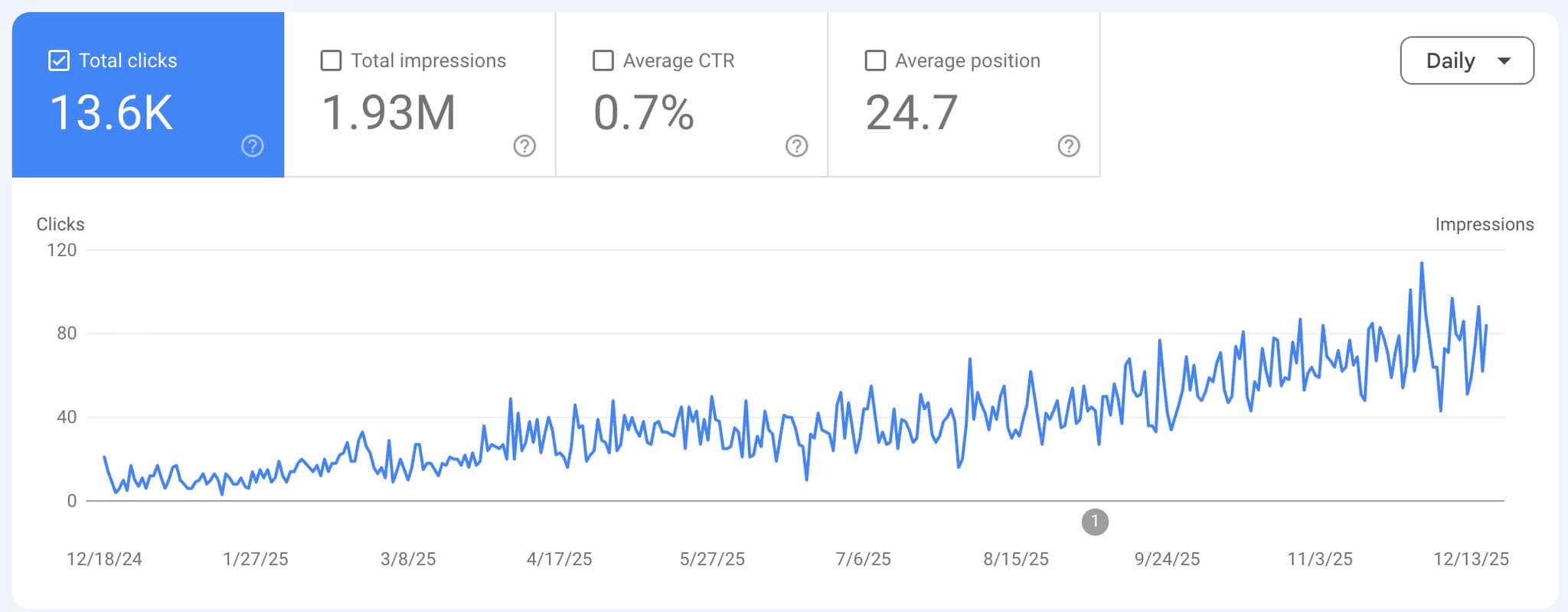
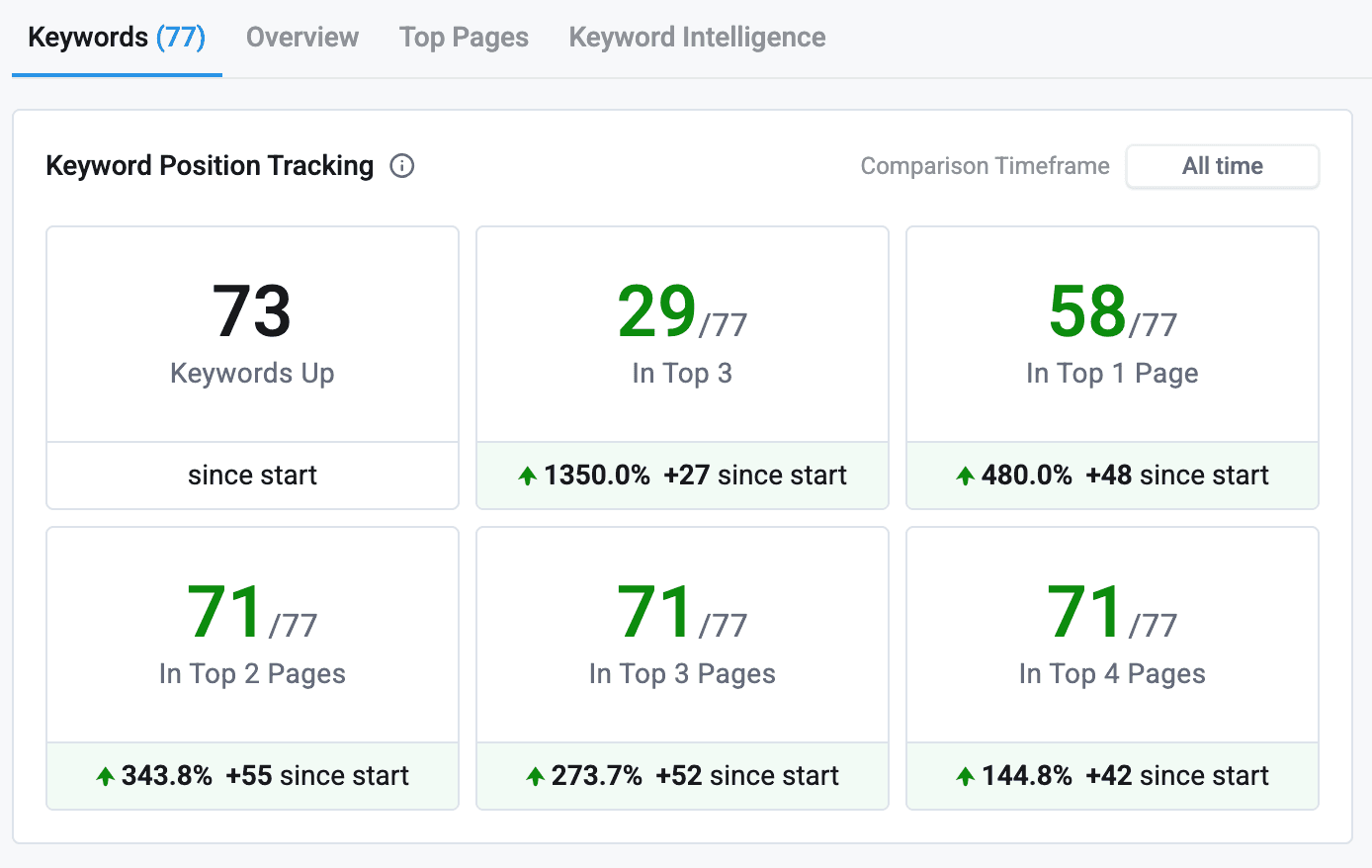
Semantic SEO results I've achieved
Entity optimisation and structured data that produced measurable ranking improvements.
How semantic SEO works with me
A six-step process from entity audit to ongoing monitoring.
Audit
Entity Audit
I analyse your current entity presence in Google's Knowledge Graph, check Knowledge Panel status, audit existing structured data for errors and gaps, and assess competitor entity strategies to identify where you stand and what is achievable.
Strategy
Schema Strategy Development
Based on the audit, I develop a comprehensive structured data strategy covering all applicable schema types for your business and content. Priority order is established based on rich result potential and implementation complexity.
Implement
Technical Implementation
Schema markup is implemented in JSON-LD across all applicable page templates. Validation in Google's Rich Results Test and Search Console confirms error-free markup before and after deployment.
Optimise
Content Entity Optimisation
Existing content is restructured for entity coverage: topic clusters developed, pillar pages created or optimised, entity mentions integrated, and E-E-A-T signals built into author profiles and content structure.
Build
Authority Building
Entity authority is built through consistent information across the web: citation building, social profile optimisation, press release campaigns for news coverage, and Wikidata entries where the business qualifies.
Monitor
Monitoring and Iteration
Ongoing monitoring of rich result performance in Search Console, entity signal tracking, and quarterly schema audits to catch any markup errors introduced by content updates or platform changes.
Why work with a semantic SEO specialist
Is semantic SEO right for you?
Semantic SEO delivers the most impact in these situations.
Businesses Targeting Rich Results
If you want FAQ dropdowns, star ratings, or breadcrumbs appearing in search results, structured data implementation is the technical requirement.
Businesses Building Topical Authority
Entity-first content strategy is the most reliable way to build broad topical authority. It lifts all your content, not just pages you're directly optimising.
Brands Investing in AI Search
As Google AI Overviews and voice search grow, businesses with strong semantic signals are being cited more. Starting this work now is a durable competitive advantage.
Frequently Asked Questions
Explore more ways to grow
Ready to turn organic search into your strongest growth channel?
If you're looking for a senior search engine optimisation consultant in Australia or New Zealand who combines government-validated credentials, entity-based methodology, and a track record spanning global brands to local Australian businesses - I'd welcome the conversation.